A useful factory yard solar lighting quote starts with a description of the site and the work carried out there. “Light our yard” leaves too much open: a pedestrian route, a loading bay and a vehicle entrance may need different arrangements. Before comparing products, give every supplier the same survey pack so that their proposals answer the same brief.
This guide provides a site information form for an initial RFQ. It does not prescribe light spacing, illumination levels or a product configuration. Those outputs should follow a lighting review using the actual site, operating schedule and proposed equipment.
1. Divide the yard into named working zones
Start with a current plan or a measured sketch. Mark its orientation and units, then label the entrance, vehicle routes, pedestrian paths, loading areas, storage zones and building edges. Use short zone IDs that also appear in the photo filenames and quotation schedule. Show dimensions measured on site; distinguish them from estimates.
Describe what people need to see in each zone. Reading a delivery label is different from finding a gate or walking along a path. Record existing lighting and the areas where users experience shadows, glare or poor visibility. If the site has a lighting brief or a required standard, include the actual document and revision rather than supplying a guessed target.
2. Photograph the installation constraints
Take a wide photograph of each zone and closer views of possible mounting positions. Mark the camera location and viewing direction on the plan. Include roofs, canopies, trees, tall stock, neighbouring buildings and other obstacles that may affect the proposed panel or lighting position.
Record available mounting points, their measured heights and any known restrictions on drilling, poles or foundations. Treat an existing wall or pole as a candidate until its suitability has been checked. Include maintenance access and the space available to reach the light, panel and battery arrangement. The supplier also needs to know which mounting work is within its quotation scope.
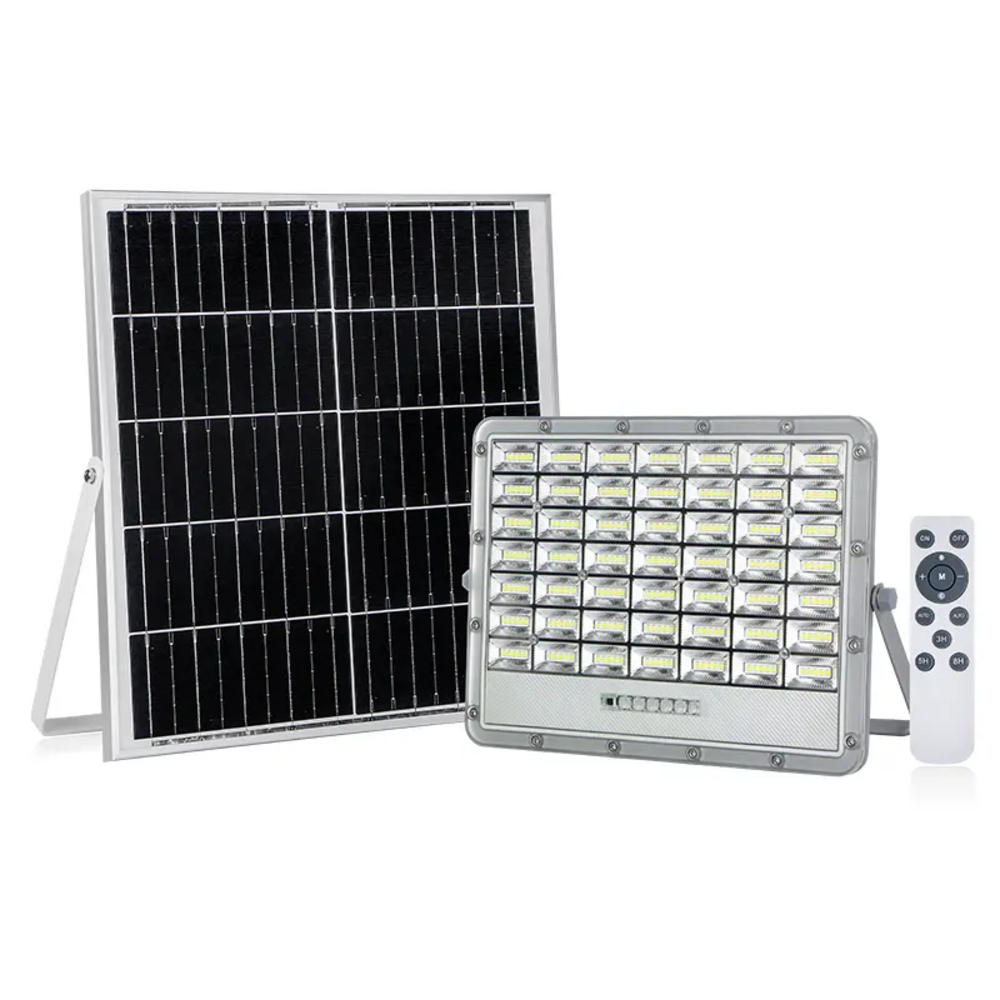
For a separate-panel product, record possible panel locations independently of the desired light locations. Add the intended cable route and its measured length; do not use straight-line distance as the final cable requirement. Photographs taken at one time of day are useful observations, but they do not establish year-round solar exposure.
3. Write the required operating schedule
List when each zone is occupied, when deliveries occur and which areas need lighting after normal shifts. Describe the desired behaviour in plain language: continuous operation during a stated period, a reduced level between activities, or response to movement. Identify any differences between weekdays, weekends and seasonal working hours.
Keep this requirement separate from a proposed product mode. A supplier should explain how its offered configuration meets the schedule under stated conditions. A generic “all night” statement is not a substitute for an agreed operating profile and a documented basis for the proposal.
Factory yard survey form — blank RFQ template
Copy this table for each zone. Leave a field clearly marked “not measured” when it has not been checked, then assign the survey follow-up before comparing final proposals.
| Survey item | Information to record | Project entry / file reference |
|---|---|---|
| Site and zone | Country, location, zone ID, plan revision and survey date | ________________ |
| Work and users | Vehicle / pedestrian movements, tasks and areas to keep visible | ________________ |
| Geometry | Measured zone dimensions, obstacles, entrances and route widths | ________________ |
| Lighting brief | Client objectives and any applicable project criteria supplied by the responsible designer | ________________ |
| Schedule | Occupied hours, required lighting periods, desired controls and seasonal changes | ________________ |
| Mounting | Candidate locations, measured heights, fixing restrictions and access | ________________ |
| Solar exposure | Candidate panel positions, orientation, obstructions, dated photos and observation times | ________________ |
| Cable route | Measured route between separate components, routing constraints and protection requirements | ________________ |
| Site conditions | Known temperature range, dust, coastal exposure, washing or other relevant conditions | ________________ |
| Delivery scope | Destination, quantities or design basis, mounting works, commissioning and required documents | ________________ |
4. Request design outputs against the same inputs
Ask the lighting supplier to identify the exact proposed configuration and the assumptions behind it. The response should connect each zone to its proposed layout, mounting arrangement, operating profile and relevant product information. Request the calculation or assessment used to support the proposal, with the project criteria and limitations visible.
Where the site owner has not yet set lighting criteria, record that as a design task for the responsible lighting professional. Do not replace the missing brief with an arbitrary wattage, number of lights or spacing. A product name alone does not establish that a factory working area will meet its requirements.
5. Keep the survey and quotation traceable
Send one dated pack containing the plan, zone table, labelled photographs and operating schedule. Give every supplier the same revision. When a building position, shift pattern or required task changes, update the corresponding zone and ask for the affected part of the proposal to be reviewed.
Before accepting a quotation, resolve differences in mounting hardware, cable provision, installation responsibilities, documentation and commissioning. Agree how the installed result will be checked against the project brief. Keep proposed performance, supplier calculations and actual site observations in separate records.
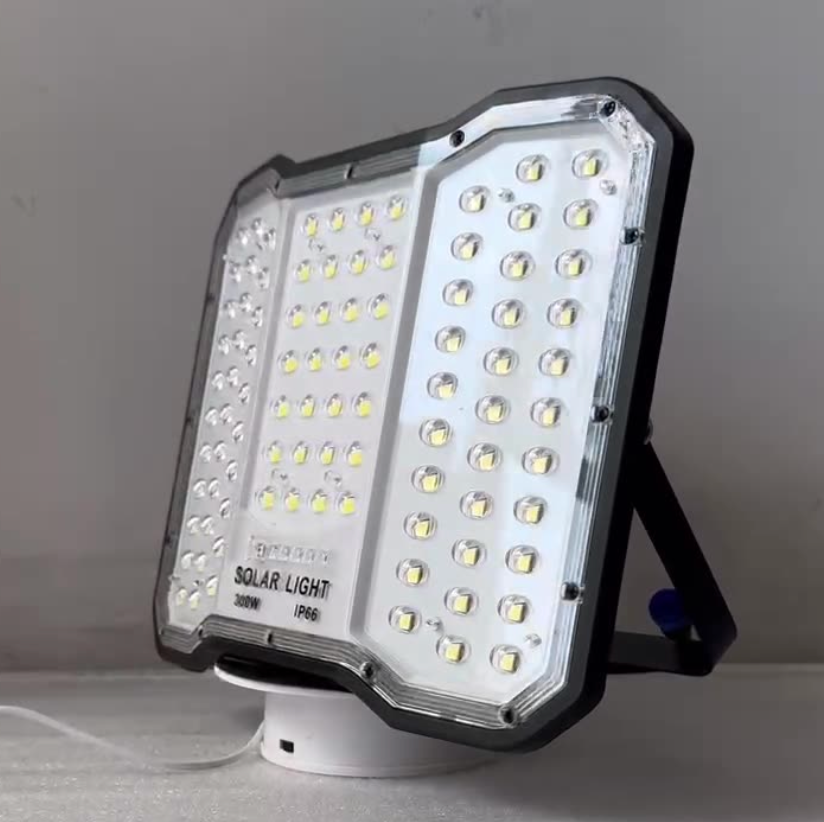
Browse FY LIGHTING solar flood lights for separate-panel product references. For a wider overview of configuration questions, see the solar street light selection guide. To start a project discussion, send the completed survey pack to FY LIGHTING.