A useful headlamp trial follows the maintenance team’s actual shift. Record when the light is on, which mode is used, and whether the worker can still complete the agreed task. A catalogue runtime range is a starting point for choosing a sample. It does not establish how long that sample will remain useful in your workshop.
This guide provides a blank trial record for procurement teams and distributors. It contains no completed runtime test or claim that a particular FY LIGHTING configuration covers a full shift.
Define what “a full shift” needs to include
Start with the work, then write the purchasing requirement. A technician reading equipment labels, checking a dark recess and completing paperwork may use different modes, with periods when the light is off. Another team may need continuous light. These are different duty patterns even when the shift length is the same.
Describe each representative task, the usual viewing distance, background lighting and the detail that must be visible. Agree what counts as an unacceptable result before testing. “Can read the specified label without another lamp” is easier to assess consistently than “still looks bright.” Use the site’s approved working conditions and keep the normal backup lighting available.
Identify the sample before starting the clock
Give every sample a unique ID. Record the model, supplier-confirmed battery version, selected operating modes and any sensor setting. Retain a photograph of its label and controls. Charge it according to the supplied instructions and record the charge-complete indication, charger identification and start condition. If the battery history is unknown, write “unknown.”
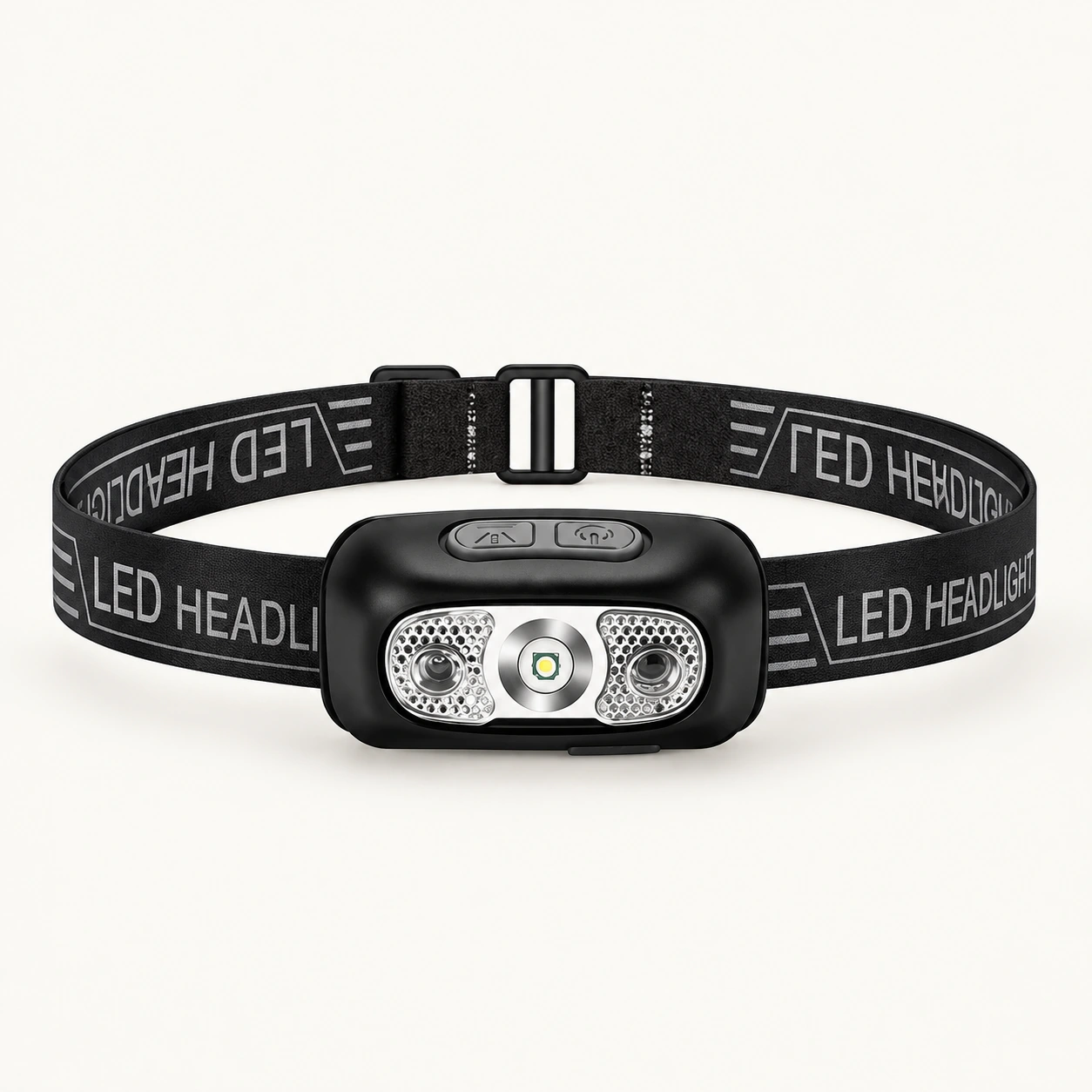
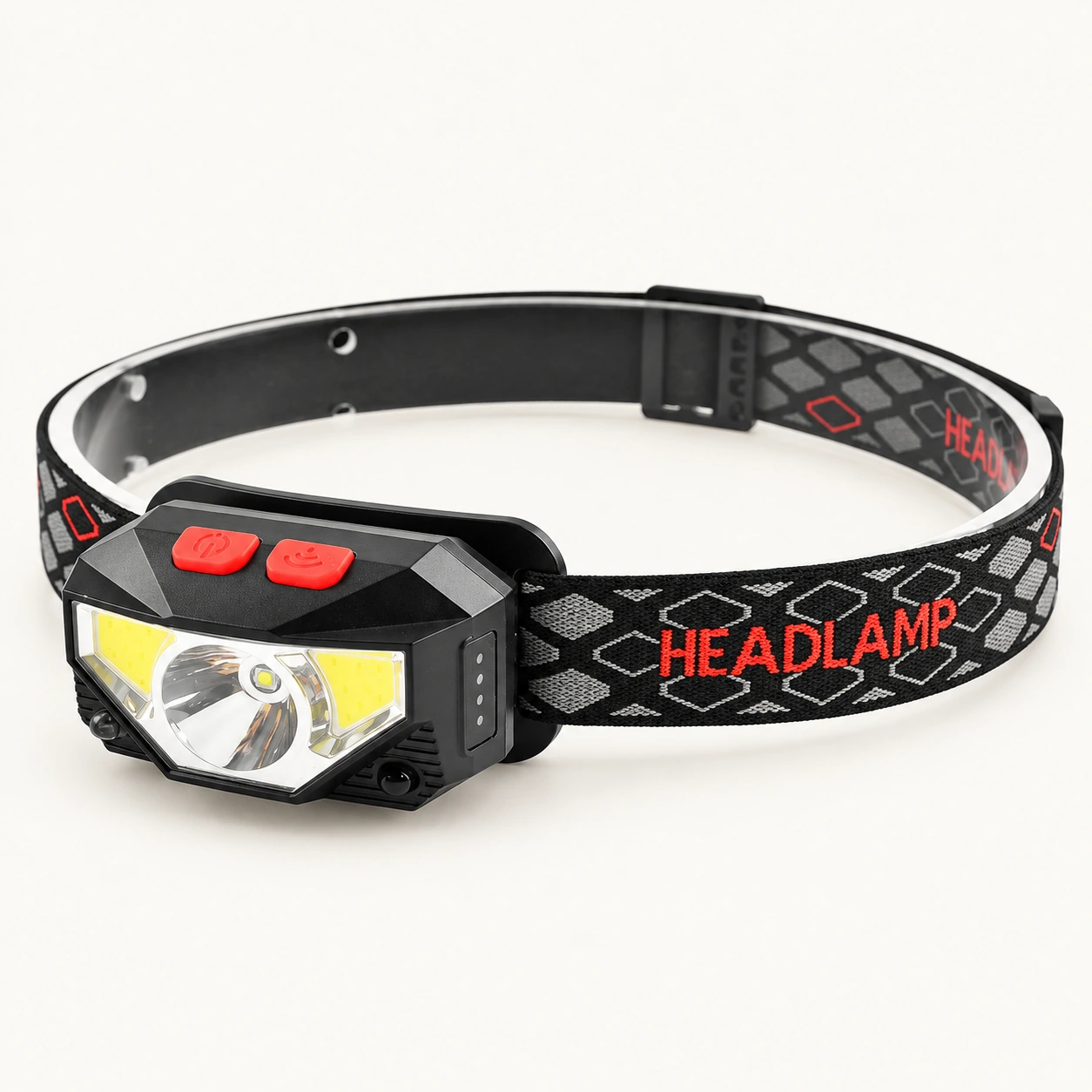
The published FY-HL12 configuration page distinguishes battery options and notes that runtime depends on the supplied version and mode. The FY-HL16 page describes main-light, side-light and sensor modes. These options explain why “headlamp switched on” is not a complete test description. This article does not turn either product’s catalogue figures into workshop results.
Keep an event log through the actual work pattern
Log each mode change, switch-off period, task change and interruption. Use clock times and add elapsed on-time when reviewing the record. If a sensor changes the on/off pattern, record that separately from the mode selected. A battery indicator is a useful observation, but it is not a measured percentage of remaining working time.
Check the agreed task at the start, at planned intervals and whenever performance changes. Record reduced visibility, glare, an unwanted mode change or a need for another light. Stop the trial when the agreed task can no longer be performed acceptably. There is no need to wait for the lamp to become completely dark.
Copyable maintenance-shift headlamp log
Complete one setup record and one event log for each sample and trial. Blank fields below are for your observations; they are not manufacturer test results.
| Trial setup | Record before use |
|---|---|
| Sample ID / model / configuration reference | ____________________________ |
| Battery version / service history / manual revision | ____________________________ |
| Date / operator / location / ambient conditions | ____________________________ |
| Charging equipment / completion indication / start condition | ____________________________ |
| Shift start and end / required tasks / planned mode pattern | ____________________________ |
| Task check / viewing conditions / acceptance criterion | ____________________________ |
| Permitted charging or sample changes during the shift | ____________________________ |
| Start–end time | Task and conditions | Mode / sensor / on or off | Task check and event |
|---|---|---|---|
| ________ | ________ | ________ | ________ |
| ________ | ________ | ________ | ________ |
| ________ | ________ | ________ | ________ |
| ________ | ________ | ________ | ________ |
Trial result: elapsed shift time ______; total light-on time ______; first unacceptable task result and time ______; charging or replacement events ______; reviewer ______.
Turn the record into a purchasing decision
Compare the observed work pattern with the original requirement. A lamp that covers intermittent tasks has demonstrated only that recorded pattern. If a second sample or charging break was needed, include it in the operating arrangement rather than describing the first sample as covering the entire shift.
Repeat the agreed protocol with the intended configuration and representative users before a batch decision. Keep individual results visible; do not hide an early failure inside an average. If samples were used under different ambient lighting, modes or charge conditions, explain those differences before ranking them.
Attach the accepted sample ID, trial record and configuration reference to the purchase specification. State which changes require another trial. For a quotation, send FY LIGHTING your task list, shift pattern, trial observations, quantity and destination. Review the headlamp range or discuss a sample configuration with the team.